How to Motivate Teenagers to Study | Improve Study Habits of Teenagers
Getting teenagers to study can feel like an uphill battle. One minute they are motivated to do well in school, and the next, they are distracted by social media, gaming, friends, or simply exhaustion. If you are a parent, educator, or caregiver wondering how to help, the good news is this: motivation is rarely about forcing teenagers to study harder. It is usually about understanding why they struggle and creating the right environment to support them.
The study habits of teenagers are shaped by far more than school expectations. Sleep, stress, digital distractions, learning environments, emotional well-being, and confidence all play major roles. Improving study habits often starts with addressing these underlying factors rather than focusing solely on grades.
In this guide, we explore practical and research-backed strategies to motivate teenagers to study, improve focus, and build healthier learning routines that last.

Why Many Teenagers Struggle With Studying
Teenagers today face unique challenges compared to previous generations. Academic pressure has increased, while distractions are more accessible than ever.
According to Beyond Blue, many young Australians experience stress related to school performance, social pressure, and future expectations. When stress becomes overwhelming, studying can feel mentally exhausting.
Common reasons teenagers struggle with studying include:
Lack of interest in certain subjects
Poor sleep habits
Constant digital distractions
Anxiety or fear of failure
No structured study routine
Learning difficulties or attention challenges
Low confidence or self-esteem
Sometimes what looks like laziness is actually burnout, frustration, or a lack of effective study strategies.
Understand Motivation Before Trying to Improve It
Teenagers respond better to internal motivation than external pressure.
This means motivation improves when they understand why studying matters to them personally. Forcing, nagging, or constant criticism often creates resistance rather than discipline.
Ask questions such as:
What do you want to achieve in the future?
Which subjects do you enjoy?
What feels difficult about studying?
What would make studying easier?
When teenagers feel heard instead of judged, they are more likely to engage.
Research from Raising Children Network suggests that supportive conversations help adolescents develop independence and responsibility more effectively than control-based approaches.
Build Better Study Habits of Teenagers Through Routine
One of the biggest factors affecting the study habits of teenagers is consistency.
Teenagers often perform better when studying becomes part of a predictable routine rather than something they only do during exam season.
A strong study routine should include:
Consistent Study Times
Choose regular study blocks each day.
For example:
4:30 pm to 5:30 pm after school
7:00 pm to 8:00 pm after dinner
Consistency reduces mental resistance because studying becomes a habit rather than a daily decision.
Break Tasks Into Smaller Goals
Large assignments can feel overwhelming.
Instead of saying:
“Finish your science project.”
Break it down into:
Research topic
Create outline
Write introduction
Complete visuals
Small wins create momentum.
Use Short Focus Sessions
Long study sessions often reduce productivity.
Try:
25 minutes focused study
5-minute break
Repeat
This method helps improve concentration while preventing burnout.
Create a Study Environment That Supports Focus
Environment matters more than many people realise.
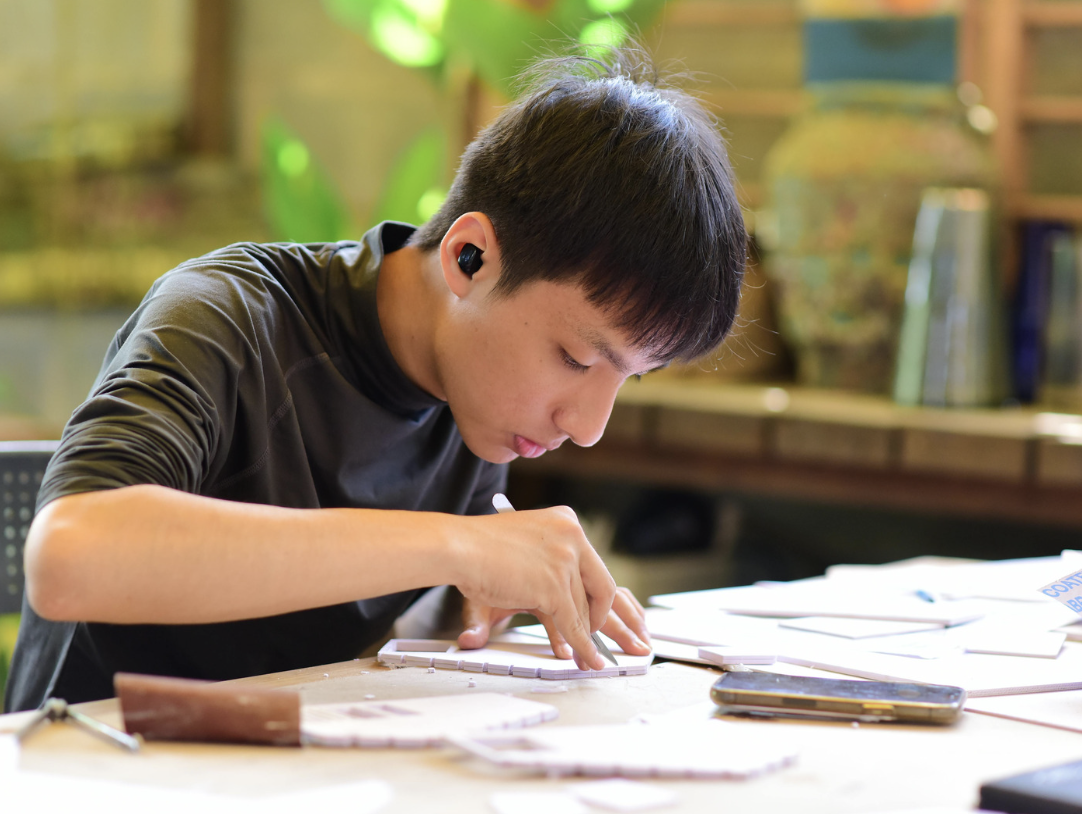
A cluttered, noisy, or uncomfortable space can negatively affect concentration. Creating a dedicated learning environment can significantly improve the study habits of teenagers.
A productive study space should include:
Good lighting
Comfortable seating
Minimal clutter
Limited phone access
Necessary supplies within reach
At Learning Space, learning environments are treated as active contributors to educational success. The design of a space can influence focus, confidence, creativity, and emotional regulation.
That matters because studying is not just about effort. It is also about whether the environment supports concentration.
One Honest Limitation
A great study space will not magically fix motivation problems.
Even the best-designed room cannot solve issues like anxiety, learning difficulties, or emotional stress on its own. Environment helps, but it works best alongside supportive routines, realistic expectations, and emotional support.
Reduce Digital Distractions Without Starting a Fight
Mobile phones are one of the most common distractions that affect focused study.
But banning devices completely can backfire.
Instead of strict punishment, use collaborative boundaries.
Try strategies like:
Phone Parking
Keep phones in another room during study sessions.
Even seeing a phone nearby can reduce focus.
App Limits
Use screen-time controls to reduce access to:
TikTok
Instagram
YouTube
Games
Use Technology Productively
Not all screen time is bad.
Some digital tools help with study:
Flashcard apps
Productivity timers
Educational videos
Note-taking software
The goal is not to eliminate technology. It is to use it intentionally.
Praise Effort, Not Just Results
Teenagers who fear failure often avoid studying because poor results feel personal.
This creates a harmful cycle:
Fear failure
Avoid studying
Perform poorly
Confidence drops
Parents and teachers can break this cycle by praising effort, strategy, and progress instead of only marks.
Instead of saying:
“You got 85. Good job.”
Try:
“I noticed how consistently you studied this week.”
This reinforces behaviours they can control.
According to the Australian Institute of Family Studies, supportive communication and positive reinforcement improve adolescent resilience and self-confidence.
This directly strengthens the study habits of teenagers over time.
Help Teenagers Connect Study to Real-Life Goals
Studying feels easier when it has meaning.
Teenagers are more motivated when they understand how school connects to real life.
Examples include:
Maths helps with budgeting, engineering, and problem-solving
English improves communication and critical thinking
Science supports careers in health, medicine, and technology
Art develops creativity and visual communication
Help them connect subjects to interests.
If a teenager loves gaming, coding may feel relevant.
If they love animals, biology may feel meaningful.
Motivation grows when learning feels connected to identity and future possibilities.
Encourage Healthy Lifestyle Habits
The study habits of teenagers are closely linked to physical health.
Poor sleep, junk food, and inactivity reduce attention and memory.
Healthy habits that support studying include:
Sleep
Teenagers generally need 8–10 hours of sleep.
Sleep improves:
Memory retention
Focus
Emotional regulation
Nutrition
Balanced meals help maintain energy and concentration.
Avoid excessive sugar and energy drinks during study sessions.
Movement
Exercise improves brain performance.
Even a 15-minute walk can refresh attention.
This is often overlooked, but mental performance depends heavily on physical well-being.
When to Seek Extra Support
Sometimes, motivation problems signal deeper issues.
Consider seeking professional support if a teenager shows:
Persistent anxiety
Sudden academic decline
Extreme avoidance
Difficulty concentrating
Emotional withdrawal
Chronic fatigue
Support may come from:
Teachers
School counsellors
Educational specialists
Psychologists
Early intervention can make a major difference.
FAQs About Motivating Teenagers to Study
1. Why is my teenager so unmotivated to study?
Lack of motivation often stems from stress, burnout, anxiety, poor sleep, or feeling overwhelmed rather than laziness.
2. How long should teenagers study each day?
It depends on workload, but many teenagers benefit from 1–3 focused hours daily outside school, with regular breaks.
3. Should parents force teenagers to study?
Force usually creates resistance. Guidance, structure, and encouragement tend to be more effective.
4. Do study environments really matter?
Yes. Lighting, noise, comfort, and organisation can significantly affect focus and productivity.
5. How can I reduce my teen’s screen distractions?
Use device boundaries, app limits, and scheduled breaks, and encourage purposeful technology use instead of complete bans.
