
Transition from Primary to High School in Sydney
The transition from primary to high school in Sydney can feel like a much bigger change than students expect. A child who was confident and comfortable in primary school may suddenly face a larger campus, more teachers, multiple classrooms, a heavier workload, and greater responsibility for managing their own time.
The good news is that most students adjust well when they know what to expect and have the right support. The goal is not to eliminate every challenge before the first day of high school. It is to help students develop the practical, academic, and emotional skills they need to handle those challenges independently.
A smooth transition starts well before Year 7. Small changes during the final year of primary school can make the first terms of high school feel much more manageable.

What Makes the Transition to High School So Different?
Moving from primary school to high school involves more than changing classrooms.
In primary school, students may spend much of the day with one main teacher and a familiar group of classmates. High school introduces a different structure. Students typically move between classrooms, work with different teachers for each subject, and need to keep track of their own books, assignments, schedules, and deadlines.
The academic expectations also begin to change.
Students are gradually expected to become more independent learners. Instead of relying on a teacher to remind them about every task, they need to record homework, prepare for tests, organise materials, and recognise when they don't understand something.
For some children, this independence develops naturally. Others need time and practice.
This is why the transition from primary to high school in Sydney should be viewed as a process rather than a single event on the first day of Year 7.
Start Preparing Before Year 7
One of the simplest ways to make the transition easier is to avoid waiting until the first day of high school.
During Year 6, parents can start encouraging children to take more responsibility for everyday tasks. This might include packing their own school bag, checking what they need for the next day and keeping track of homework without constant reminders.
These activities may seem small, but they build habits that become increasingly important in high school.
It is also useful to visit the new school whenever possible. Open days, orientation programs and school tours allow students to become familiar with the environment before they are expected to navigate it independently.
Knowing where the library, canteen, classrooms, toilets and other key areas are located can remove some of the uncertainty surrounding the first few weeks.
The objective is not to make a child completely independent overnight. It is to give them repeated opportunities to practice being responsible for themselves.
Build Strong Study Habits in Primary School
Academic preparation is another important part of the transition.
Students do not need to start doing high school-level work while they are still in primary school. In fact, pushing advanced material too early can create unnecessary pressure.
A better approach is to build fundamental learning habits.
Children can practice reading regularly, explaining what they have learned, completing homework on time, and checking their work before handing it in. They can also learn how to break a larger task into smaller steps rather than leaving everything until the last minute.
These habits become particularly valuable once students have several subjects to manage.
For example, a student might have Mathematics homework on Monday, an English assignment due later in the week and a Science test coming up. The ability to identify what needs to be done and plan accordingly becomes more important than simply remembering information.
Learning Space supports students across primary and secondary years, which allows families to approach academic development as a longer-term process rather than treating Year 7 as a complete reset. Parents can also explore primary school tutoring when a student needs additional support strengthening core academic skills before high school.
Help Your Child Become More Organised
Organisation is one of the biggest adjustments students face when they enter high school.
A primary school student may have needed only a few books and supplies. A high school student can have different textbooks, exercise books, devices, sports equipment and assessment requirements depending on the day.
The solution does not need to be complicated.
A simple school timetable, homework planner or digital calendar can help students see what is coming. Encourage them to check their timetable each evening and prepare what they need for the following day.
Parents can initially help with this process, but gradually step back.
If a parent continues to manage every deadline, pack every book and remind a child about every assignment, the student may struggle when they are expected to manage these tasks independently.
A useful rule is to support the process without taking ownership of it.
Let the student make mistakes while the consequences are still relatively manageable. Forgetting a book one day is an opportunity to learn how to check the timetable the night before.
Prepare for the Academic Changes
The academic jump into high school is not identical for every student.
Some children find the work relatively easy but struggle with organisation. Others adapt quickly to the new routine but find particular subjects challenging.
The important thing is to avoid assuming that strong primary school results automatically mean a child will have no difficulty in Year 7.
Students encounter new subjects, new teaching styles and different expectations. They may also be asked to write longer responses, solve more complex problems, and explain their reasoning rather than simply provide an answer.
Parents can help by asking questions about the learning process rather than focusing exclusively on marks.
Instead of asking, “What grade did you get?” try asking, “What did you find difficult?” or “What did you learn this week?”
Those conversations can make it easier for students to talk about problems before they become larger academic gaps.
For children who need extra support, tutoring can provide another opportunity to revisit concepts at their own pace.
Strengthen Mathematics and English Foundations
Mathematics and English are particularly important during the transition because skills developed in these subjects support learning across the wider curriculum.
In Mathematics, students should feel comfortable with core numeracy, basic algebraic thinking, problem-solving, and interpreting questions. If a student has persistent difficulty with foundational concepts, high school Mathematics can become increasingly frustrating.
English requires a similar foundation.
Students need to understand what they read, communicate ideas clearly, construct paragraphs and use evidence appropriately. These skills are useful not only in English class but also in subjects such as History, Geography and Science.
The aim is not to make students advanced before they enter Year 7.
It is to ensure they have enough confidence in the basics that they can focus on learning new material rather than constantly struggling with earlier concepts.
Encourage Independence Without Removing Support
Parents often face a difficult balance during the transition from primary to high school in Sydney.
Too little support can leave a child overwhelmed. Too much can prevent them from developing independence.
The most useful approach is gradual release.
At first, parents may need to help students understand their timetable or organize their study space. Once the student understands the process, let them take responsibility while remaining available if they need assistance.
The same principle applies to homework.
If a child asks for help, try guiding them toward the answer rather than immediately doing the difficult part for them. Asking, “What have you tried so far?” can encourage problem-solving and reveal exactly where they are stuck.
This approach helps students develop confidence in their own ability to overcome difficulties.
Talk About the Social Side of High School
Academic preparation is only one part of the transition.
For many students, the social side of starting high school is equally important. They may worry about making friends, fitting in, navigating a larger school, or dealing with unfamiliar classmates.
Parents should make room for those concerns.
A child does not necessarily need a detailed solution every time they mention a social problem. Sometimes listening without immediately trying to fix the situation is more useful.
It can also help to remind students that friendships often take time to develop. The first few days or weeks do not determine what their entire high school experience will be like.
If a student is experiencing persistent bullying, anxiety, or other serious concerns, parents should communicate with the school rather than expecting the child to manage the situation alone.
Schools have systems and staff specifically designed to support student wellbeing and safety.
Make the First Few Weeks Manageable
The first weeks of high school can be tiring even for students who are excited about the change.
There is a lot to remember: new classrooms, teachers, names, routines, and expectations. Students may arrive home exhausted simply because their brains are processing so much unfamiliar information.
Keeping the home routine relatively stable can help.
Regular sleep, adequate meals, time to relax, and a consistent place to complete homework can provide structure while everything else is changing.
It is also worth resisting the temptation to fill every afternoon with additional activities during the first few weeks.
Extracurricular activities can be valuable, but students also need time to adjust. Once the new routine feels familiar, families can reassess how much additional activity is manageable.
A successful transition is not about doing everything immediately. It is about giving students enough space to adapt.
When Should Parents Consider Extra Academic Support?
Not every child needs tutoring when they enter Year 7.
Some students transition smoothly and quickly become comfortable with the new academic expectations. Others may need additional help with a particular subject or skill.
Persistent difficulty is a stronger reason to consider support than one disappointing test.
For example, if a student repeatedly struggles to understand Mathematics concepts, has difficulty completing English assignments, or spends an unusually long time on homework, additional academic support may be worthwhile.
Tutoring can also be useful for students who are doing reasonably well but lack confidence. A few focused sessions can sometimes help clarify a difficult concept and prevent a small problem from becoming a larger one.
Learning Space provides tutoring for students across primary and secondary school years, making it possible to seek support before and after the move into high school rather than waiting until academic difficulties become significant.
One Honest Concern About Tutoring Too Early
It is worth being cautious about turning the transition to high school into an intensive academic preparation program.
A student who spends the final months of primary school being pushed through high school content may enter Year 7 technically prepared but mentally exhausted. Children also need time for play, friendships, hobbies, and rest.
Tutoring is most useful when it solves a genuine problem or strengthens an important foundation.
The goal should be confidence, not pressure.
For many students, one or two areas of targeted support are more valuable than trying to get ahead in every subject. Parents should also make sure that tutoring complements what the school is teaching rather than creating a completely separate workload.
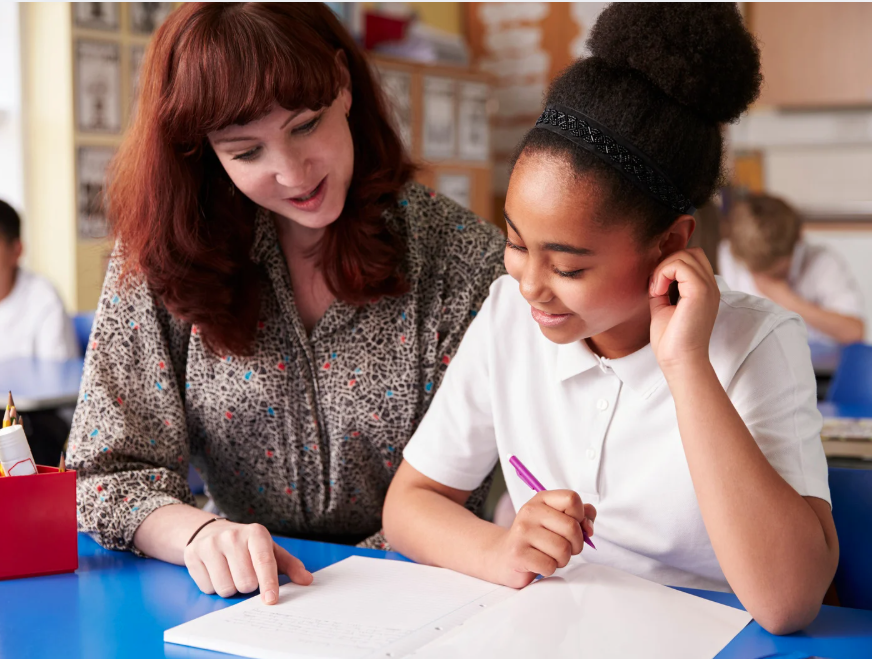
A Simple Transition Plan for Year 6 Families
A practical approach can make preparation feel much less overwhelming.
During the final months of primary school, encourage your child to take responsibility for their school bag, homework and daily schedule. Visit the high school and make sure they understand how they will get there and what the first day will involve.
Once Year 7 begins, give them time to adjust before making major changes.
After the first few weeks, ask how they are managing their subjects, homework and timetable. If a problem keeps appearing, identify the specific issue rather than assuming the student simply needs to “study harder.”
That might mean improving time management, revisiting a Mathematics concept, developing stronger writing skills or finding a better way to organize assignments.
For additional guidance, families can also review Learning Space's high school tutoring options to understand how academic support can be tailored to students as they move through secondary school.
Frequently Asked Questions
1. How can I prepare my child for the transition from primary to high school?
Start by developing independence before Year 7. Encourage your child to manage their homework, pack their own school bag, check their timetable, and take responsibility for simple daily tasks. Visiting the new school and attending orientation activities can also reduce uncertainty.
2. What are the biggest challenges when starting high school?
Common challenges include adjusting to multiple teachers and classrooms, managing a larger workload, remembering deadlines, navigating a bigger school environment, and forming new friendships. The level of difficulty varies from student to student.
3. Should my child have tutoring before starting Year 7?
Not necessarily. Tutoring is most useful when a student has specific learning gaps, lacks confidence in an important subject, or needs help developing particular academic skills. Students who are progressing well may not need additional lessons.
4. How can parents encourage independence in Year 7?
Give children responsibility for manageable tasks such as checking their timetable, preparing their school bag and recording homework. Parents can provide guidance when needed while gradually reducing reminders as the student becomes more capable.
5. What should I do if my child struggles academically after starting high school?
First, identify the specific problem. Talk to your child and, where appropriate, their teacher to determine whether the issue involves a knowledge gap, study habits, organization, confidence, or something else. Targeted support can then address the underlying problem instead of simply adding more study time.
Making the Transition from Primary to High School in Sydney
The transition from primary to high school in Sydney does not need to be perfect to be successful. Students will forget things, struggle with unfamiliar subjects, and occasionally feel overwhelmed. Those experiences are part of learning how to become more independent.
What matters is giving students the tools to recover from those moments.
Strong foundational skills, sensible routines, open communication and gradual independence can make the move into Year 7 considerably easier. When additional academic support is genuinely needed, it should be targeted at the areas that will have the greatest impact on the student's confidence and progress.
The best preparation is not about getting a child ahead of everyone else; it is about helping them feel capable of handling what comes next.
For families preparing for Year 7, building independence and confidence before the first day can make the transition feel far less daunting.
