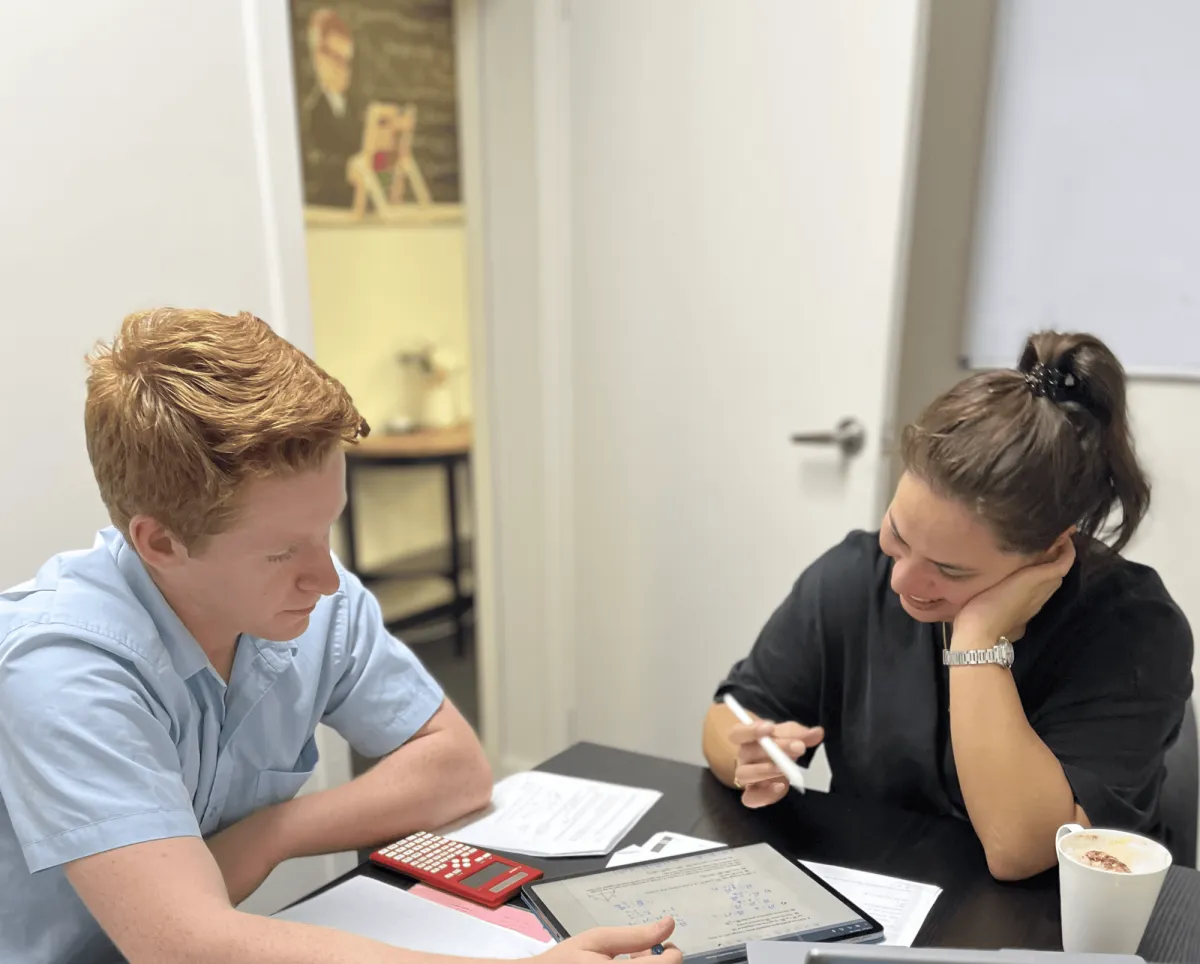
Why Real Teachers Make Better Tutors
When parents start searching for tutoring support, one common question comes up: Who makes the best tutor? While university students, subject experts, and online tutors can all offer value, there is a strong case for why qualified teachers often provide a deeper level of support.
The reason is simple. Real teachers are better tutors because they understand not just subject content, but also how students actually learn. Teaching is far more than knowing the answers. It involves communication, curriculum knowledge, classroom experience, assessment strategies, and the ability to adapt to different learning needs.
For children and teenagers, this difference can have a significant impact on confidence, engagement, and academic progress.
In this article, we explore why qualified teachers often make stronger tutors and how their expertise can benefit students beyond homework help.
Teachers Understand How Students Learn
Having expertise in a subject and being able to teach it effectively are two very different things.
Someone may be brilliant at maths, science, or English, but still struggle to explain concepts clearly to a student.
Qualified teachers are trained in:
Learning theory
Teaching strategies
Lesson planning
Differentiation
Student assessment
This training helps them recognise how students process information.
A major reason real teachers are better tutors is their ability to identify why a student is struggling, not just what they are struggling with.
For example, a student who keeps getting algebra questions wrong may not actually struggle with algebra itself. The real issue could be weak foundational numeracy or misunderstanding mathematical language.
A trained teacher can spot these hidden gaps quickly.
Teachers Know the School Curriculum
One of the biggest advantages of working with a real teacher is curriculum familiarity.
Teachers work directly with syllabus requirements, learning outcomes, and assessment expectations.
They understand:
What students are expected to know
How schools assess progress
Common exam formats
Year-level expectations
Where students typically struggle
This allows tutoring to be highly targeted.
Instead of generic academic support, tutoring can align closely with classroom expectations.
According to the Australian Curriculum Assessment and Reporting Authority (ACARA), the Australian Curriculum is designed to progressively build knowledge and skills across year levels. Teachers understand how each stage connects to the next.
This makes tutoring more strategic and relevant.
Teachers Can Adapt to Different Learning Styles
No two students learn in the same way.
Some learners need visual examples. Others need repetition, discussion, or practical application.
A qualified teacher has experience adjusting lessons for diverse learners.
They may support students who are:
Advanced learners
Struggling academically
Easily distracted
Anxious about assessments
Learning at different speeds
This flexibility is a major reason real teachers are better tutors.
Rather than using one method for everyone, teachers adjust their approach based on what works for the student.
Teachers Know How to Build Confidence
Academic performance is closely tied to confidence.
Students who lose confidence often stop participating, avoid challenges, or become anxious about mistakes.
A real teacher understands how to build confidence gradually.
They know how to:
Scaffold learning
Celebrate progress
Encourage participation
Reduce fear of failure
This matters because many students do not need someone to simply provide answers. They need someone who helps them believe they can solve problems.
That mindset shift can transform learning outcomes.
They Focus on Long-Term Learning, Not Short-Term Answers
Some tutors focus heavily on helping students finish homework quickly.
While that can feel helpful in the moment, it does not always improve long-term learning.
Teachers typically approach tutoring differently.
They ask questions like:
What concept is missing here?
Why is the student confused?
How can we strengthen understanding?
This creates deeper learning.
One reason real teachers are better tutors is that they focus on building independent learners, not dependence on tutoring.
The goal is for students to gradually need less help, not more.
Teachers Understand Behaviour and Motivation
Students do not always struggle because content is difficult.
Sometimes the real barriers are:
Low motivation
Poor study habits
Stress
Fatigue
Distractions
Anxiety
Experienced teachers see these patterns regularly.
They know how to recognise when a student is:
Overwhelmed
Disengaged
Burnt out
Lacking structure
According to ReachOut Australia, emotional wellbeing has a major impact on young people’s ability to focus, learn, and perform academically.
Teachers often bring practical strategies to support both academic and behavioural growth.
One Honest Limitation
Being a qualified teacher does not automatically make someone a great tutor.
This is important.
Some excellent classroom teachers may not thrive in one-on-one tutoring if they struggle to personalise sessions or build rapport outside the classroom setting.
Likewise, some non-teacher tutors can still be highly effective.
The key is finding someone with both expertise and strong interpersonal skills.
That said, professional teaching experience often provides a strong foundation.
Learning Environment Still Matters
Even the best tutor works more effectively when the learning environment supports focus.
Noise, clutter, and constant distractions can make tutoring sessions less productive.
At Learning Space, educational environments are recognised as important contributors to concentration, engagement, and confidence. A well-designed learning space can enhance the benefits of quality teaching and tutoring.
Learning success rarely depends on one factor alone.
It is often the combination of:
Skilled teaching
Consistent routines
Strong support
Effective environments
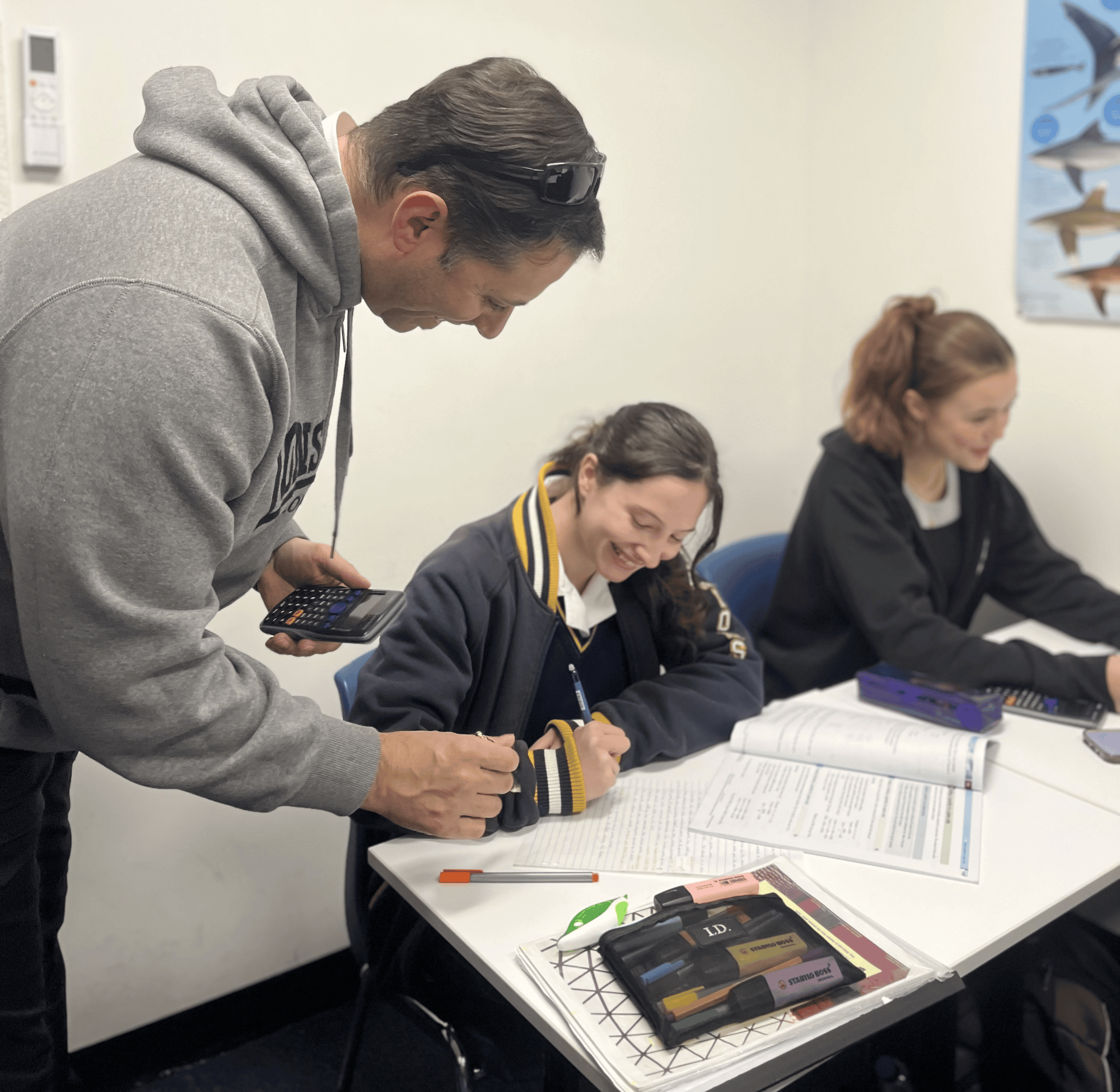
When Should Parents Choose a Teacher-Tutor?
A teacher-tutor may be especially helpful when a student:
Is falling behind in school
Needs curriculum-specific support
Is preparing for major exams
Has lost confidence
Needs structured learning strategies
Teacher-led tutoring can provide both academic support and practical learning strategies.
FAQs About Teacher Tutors
1. Are teachers better tutors than university students?
In many cases, yes. Teachers typically bring formal training in teaching methods, curriculum knowledge, and student support.
2. Do teacher-tutors help with exam preparation?
Yes. Teachers understand assessment structures and can help students prepare effectively.
3. Can teachers tutor high-performing students?
Absolutely. Teachers can provide extension work and advanced learning strategies.
4. Is tutoring with a teacher worth it?
For many students, the personalised guidance and curriculum alignment can be highly valuable.
5. What should parents look for in a teacher-tutor?
Look for teaching experience, communication skills, adaptability, and the ability to build rapport.
The best tutors do more than explain answers. They teach students how to learn, think, and grow with confidence.
Explore how thoughtful learning environments and quality educational support can help students achieve stronger academic outcomes.
